boom lift rental in chennai, boom lift rental in coimbatore, boom lift rental in delhi, boom lift rental in gurgaon, Boom lift Rental in hyderabad, boom lift rental in mumbai, Boom lift rental in pune, boom lift rental in sriperumbudur, boom lift rental in Ahmedabad, boom lift rental in anantapur, boom lift rental in delhi ncr india,boom lift rental near me, boom lifter price in india, manlift on hire
Showing posts with label Aluminium Mobile Scaffold Tower. Show all posts
Showing posts with label Aluminium Mobile Scaffold Tower. Show all posts
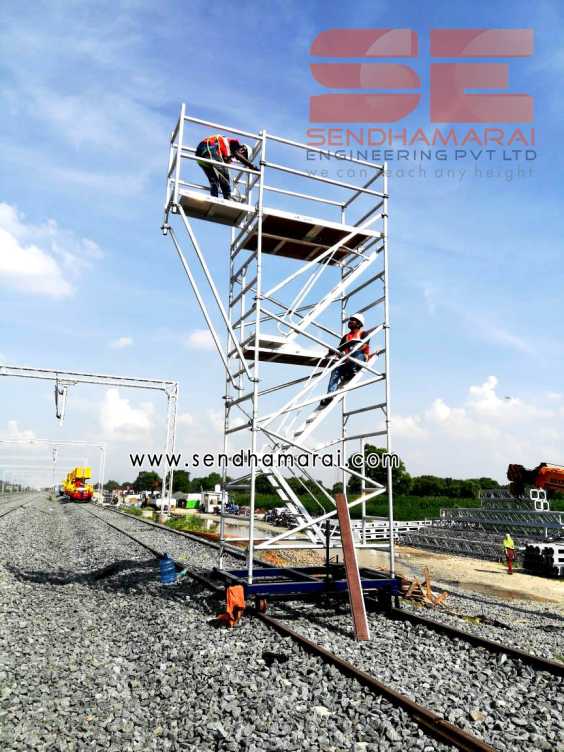
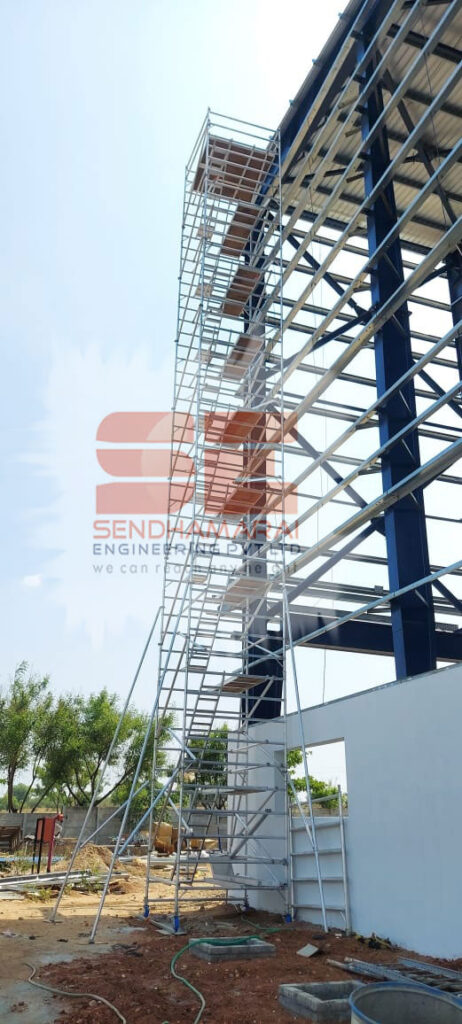
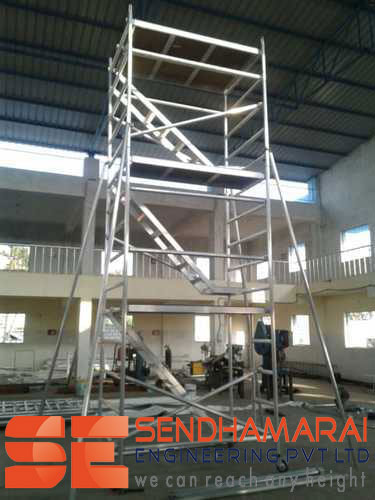
Working at height is a routine yet high-risk task across construction, maintenance, and industrial operations. A 10-meter working height, as shown in the image, represents a significant elevation where proper planning, equipment, and safety protocols become absolutely critical. Themobile aluminium scaffolding towerpictured here is a practical and efficient solution for accessing elevated work areas, but it must be used with strict adherence to safety standards. This detailed guide explores best practices, risks, setup procedures, and essential precautions when working at heights of around 10 meters using scaffold towers.
Understanding the Risks at 10 Meters - Aluminium Scaffolding
A height of 10 meters (approximately 32 feet) is far beyond what can be considered low-risk. Falls from this level can lead to severe injuries or fatalities. Common hazards include:
Loss of balance or footing
Structural instability of the scaffold
Environmental factors like wind
Improper use of ladders within the tower
Falling tools or materials
Because of these risks, regulatory bodies across the world emphasize fall protection systems, worker training, and proper scaffold design.
To ensure safe operation at a 10-meter height, every component of the scaffold must be correctly installed and maintained.
1. Base and Foundation
The scaffold must stand on level, solid ground. Uneven or soft surfaces can cause tilting or collapse. Wheel locks must be engaged when the tower is in use.
2. Frames and Bracing
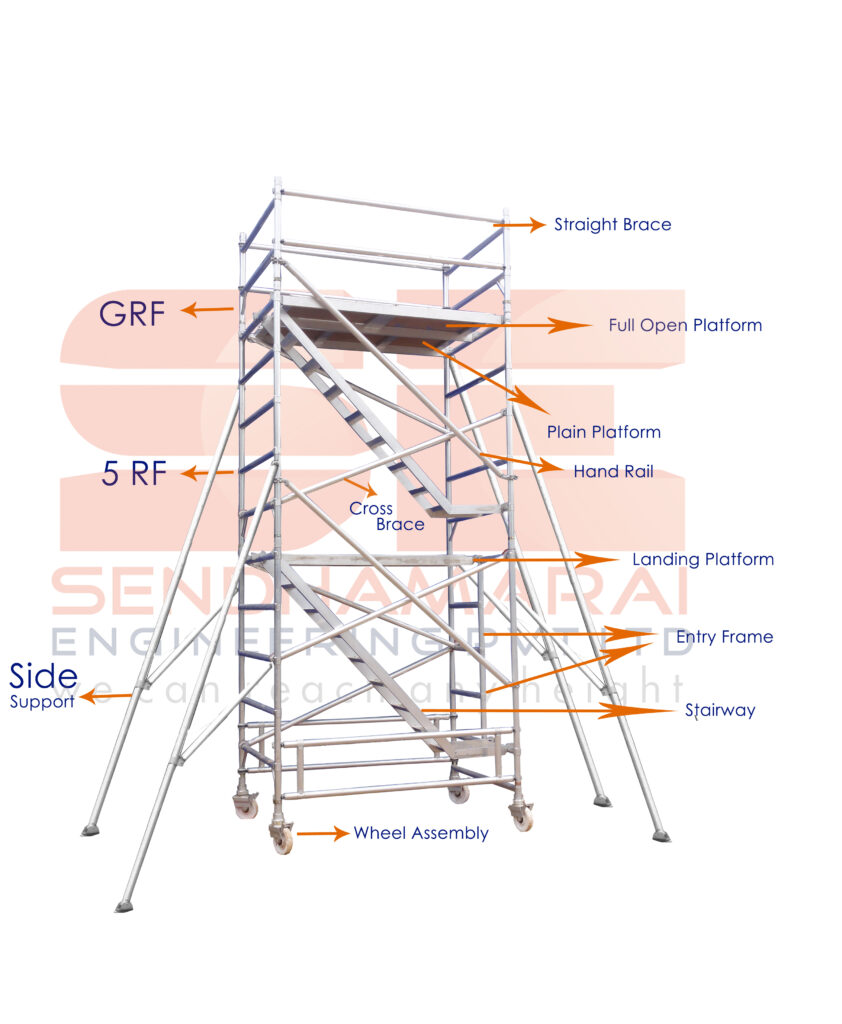
Cross braces provide structural stability. Missing or incorrectly installed braces weaken the entire structure.
3. Platforms
Working platforms should be fully decked, secured, and capable of supporting the intended load. Gaps or loose boards increase fall risk.
4. Guardrails and Toe Boards
At heights above 2 meters, guardrails are essential. Toe boards prevent tools or materials from falling.
5. Access Ladders
Internal ladders are safer than external climbing. Workers should maintain three points of contact when ascending or descending.
6. Stabilizers (Outriggers)
At 10 meters, outriggers are not optional—they are necessary. They widen the base and prevent tipping.
Regular maintenance extends the life of the scaffold and ensures ongoing safety.
Working at a height of 10 meters requires more than just equipment—it demands awareness, discipline, and adherence to safety protocols. Themobile scaffold towershown in the image is a powerful tool when used correctly, offering both efficiency and safety. However, neglecting proper setup or safe practices can quickly turn it into a hazard.
By focusing on correct assembly, regular inspections, and responsible use, workers can confidently perform tasks at height while minimizing risks. Safety is not just a requirement—it is a responsibility shared by everyone on site.
Industrial aluminium scaffolding is a critical component in the construction and maintenance of various structures, offering durability, flexibility, and safety. In this comprehensive guide, we will delve into the specifications, rental options, sales, and safety considerations associated with industrial aluminium scaffolding, particularly focusing on double-width configurations.
Understanding Industrial Aluminium Scaffolding
Industrial aluminium scaffolding represents a paradigm shift in the construction industry, offering a lightweight yet robust alternative to traditional scaffolding materials. Composed of high-quality aluminium alloy, these scaffolds boast exceptional durability and corrosion resistance, ensuring longevity even in the harshest environments.
Key Features and Benefits
1. Durability
Industrial aluminium scaffolding towers are engineered to withstand the rigors of daily use, providing a stable and secure platform for workers at various heights. The corrosion-resistant properties of aluminium ensure minimal maintenance and upkeep, translating to cost savings for businesses.
2. Lightweight Design
One of the most significant advantages of industrial aluminium scaffolding is its lightweight design. Unlike cumbersome steel scaffolds, aluminium scaffolding towers are easy to transport and maneuver, allowing for quick setup and dismantling on job sites.
3. Versatility
From construction sites to industrial facilities, aluminium scaffolding towers find applications in a wide range of industries. Their modular design allows for customization to suit specific project requirements, making them an indispensable tool for contractors and maintenance crews alike.
4. Safety
Safety is paramount in any construction project, and industrial aluminium scaffolding towers prioritize worker safety. Built-in safety features such as guardrails, toe boards, and non-slip platforms ensure a secure working environment, reducing the risk of accidents and injuries.
5. Cost-Effectiveness
Despite their initial investment, industrial aluminium scaffolding towers offer long-term cost savings. Their durability and minimal maintenance requirements result in lower operational costs over time, making them a wise investment for businesses of all sizes.
Applications of Industrial Aluminium Scaffolding
1. Construction Projects
From building maintenance to new construction,industrial aluminium scaffolding towersprovide a safe and efficient solution for working at heights. Their lightweight design and modular construction make them ideal for use in various construction environments.
2. Maintenance and Repair
Industrial facilities often require routine maintenance and repair work, and aluminium scaffolding towers offer a practical solution for accessing elevated areas. Whether it’s painting, cleaning, or equipment installation, these scaffolds provide a stable platform for workers to perform their tasks safely.
3. Event Setup
In the event industry, time is of the essence, and industrial aluminium scaffolding towers offer a quick and efficient solution for stage setup, lighting installation, and other event preparations. Their lightweight design and ease of assembly make them a preferred choice for event planners and production crews.
4. Industrial Projects
In industrial settings such as warehouses and manufacturing plants, industrial aluminium scaffolding towers play a crucial role in facilitating maintenance, inspection, and repair tasks. Their versatility and durability make them well-suited for use in these demanding environments.
Specifications of Industrial Aluminium Scaffolding
Understanding Industrial Aluminium Scaffolding
Industrial aluminium scaffolding stands as a cornerstone in modern construction and maintenance projects. Its lightweight yet durable construction makes it an indispensable tool for accessing elevated areas safely and efficiently.
Significance of Specifications
Each component and specification of industrial aluminium scaffolding contributes to its overall performance and safety. By understanding these specifications, you can ensure optimal functionality and adherence to safety standards.
Key Specifications Explained
Material Composition
The composition of industrial aluminium scaffolding determines its strength, durability, and weight-bearing capacity. High-quality aluminium alloys are typically used, ensuring a perfect balance of strength and lightweight properties.
Height and Width Options
Industrial aluminium scaffolding comes in various height and width configurations to suit different project requirements. Whether you need a compact scaffold for indoor use or a towering structure for outdoor projects, there’s a suitable option available.
Platform Size
The platform size of industrial aluminium scaffolding directly impacts worker comfort and safety. Standard platform dimensions provide ample space for workers and equipment, while customisation options allow for tailored solutions.
Weight Capacity
The weight capacity of industrial aluminium scaffolding dictates the maximum load it can support safely. Understanding this specification is crucial for preventing accidents and ensuring the structural integrity of the scaffold.
Safety Features
Guardrails, toeboards, non-slip platforms, and other safety features are integral components of industrial aluminium scaffolding. These features are designed to minimize the risk of falls and accidents, prioritizing worker safety above all else.
Assembly and Disassembly
The ease of assembly and disassembly is another crucial specification to consider. Quick and hassle-free setup saves time and labor costs, allowing for more efficient project completion.
Understanding Safety Regulations
Importance of Safety Regulations
Safety regulations serve as a framework to mitigate risks and hazards associated with industrial activities. Compliance with these regulations is not only a legal requirement but also a moral obligation to protect the well-being of workers.
Relevance to Industrial Aluminium Scaffolding
Industrial aluminium scaffolding is subject to a myriad of safety regulations and compliance standards. These regulations cover various aspects, including design, construction, installation, and usage of scaffolding systems.
Key Safety Regulations and Compliance Standards
OSHA Guidelines
The Occupational Safety and Health Administration (OSHA) sets forth comprehensive guidelines for scaffolding safety. These guidelines encompass requirements for scaffold design, construction, and usage, ensuring the protection of workers from falls and other hazards.
ANSI Standards
The American National Standards Institute (ANSI) provides standards for the design, testing, and inspection of scaffolding systems. Compliance with ANSI standards ensures the structural integrity and safety of industrial aluminium scaffolding.
Load Capacity Requirements
Safety regulations stipulate the maximum load capacity of industrial aluminium scaffolding to prevent overloading and structural failures. Adhering to load capacity requirements is essential for maintaining a safe working environment.
Guardrail and Toeboard Specifications
Safety regulations mandate the installation of guardrails and toeboards on industrial aluminium scaffolding to prevent falls and accidents. These specifications ensure the safety of workers working at elevated heights.
Fall Protection Measures
Safety regulations require the implementation of fall protection measures, such as personal fall arrest systems and safety nets, to safeguard workers from falls. Proper training and usage of fall protection equipment are essential for preventing injuries.
Compliance Inspection and Maintenance
Regular Inspections
Compliance with safety regulations necessitates regular inspections of industrial aluminium scaffolding systems. Inspections help identify potential hazards and ensure that scaffolding components are in good working condition.
Maintenance Protocols
Maintenance protocols, including cleaning, repairs, and replacements, are integral to ensuring the continued safety and reliability of industrial aluminium scaffolding. Timely maintenance interventions prolong the lifespan of scaffolding systems and reduce the risk of accidents.
Industrial aluminium scaffoldingis a versatile solution for accessing elevated work areas in construction and maintenance projects. To maximize its functionality and safety, customization options and accessories play a pivotal role. In this comprehensive guide, we explore 10 essential customization options and accessories for industrial aluminium scaffolding, offering insights to streamline your operations and ensure compliance with safety standards.
Industrial Aluminium Scaffolding Customization Options and Accessories
1. Adjustable Platform Heights
Customizable platform heights allow for versatility in accessing different levels of a structure. Whether working on low ceilings or high-rise buildings, adjustable platform heights ensure optimal reach and safety for workers.
2. Guardrail Systems
Integrated guardrail systems provide essential fall protection, safeguarding workers from potential hazards at elevated heights. Choose guardrail systems that are easy to install and comply with safety regulations for enhanced workplace safety.
3. Access Gates
Access gates offer convenient entry and exit points on scaffolding platforms, enhancing accessibility and productivity on the job site. Opt for access gates with self-closing mechanisms to prevent accidental falls and improve workflow efficiency.
4. Stabilizing Outriggers
Stabilizing outriggers are essential accessories for ensuring the stability and balance of industrial aluminium scaffolding, especially on uneven terrain. These accessories provide additional support and prevent tipping accidents, enhancing overall safety.
5. Adjustable Wheels
Industrialaluminium scaffoldingwith adjustable wheels offers mobility and flexibility, allowing for easy transportation and positioning on the job site. Choose models with lockable wheels for secure positioning during work activities.
6. Weatherproofing Features
Weatherproofing features such as corrosion-resistant coatings and UV-resistant materials prolong the lifespan of industrial aluminium scaffolding, making it suitable for outdoor use in various weather conditions.
7. Tool Trays and Holders
Integrated tool trays and holders provide convenient storage solutions for tools and equipment, keeping the work area organized and reducing downtime associated with searching for misplaced tools.
8. Toe Boards
Toe boards are essential safety accessories that prevent tools, debris, and materials from falling off the scaffolding platform, reducing the risk of injuries to workers and bystanders below.
9. Ladder Access
Incorporating ladder access points into industrial aluminium-scaffolding facilitates safe and efficient vertical access to elevated work areas, eliminating the need for external ladders and minimizing the risk of falls.
10. Personal Protective Equipment (PPE) Attachments
Customisation attachment points for personal protective equipment (PPE), such as harnesses and lanyards, enhance worker safety by ensuring proper usage and compliance with safety regulations.